
The Best Baking Course for SPM Leavers in Malaysia (2026 Guide)
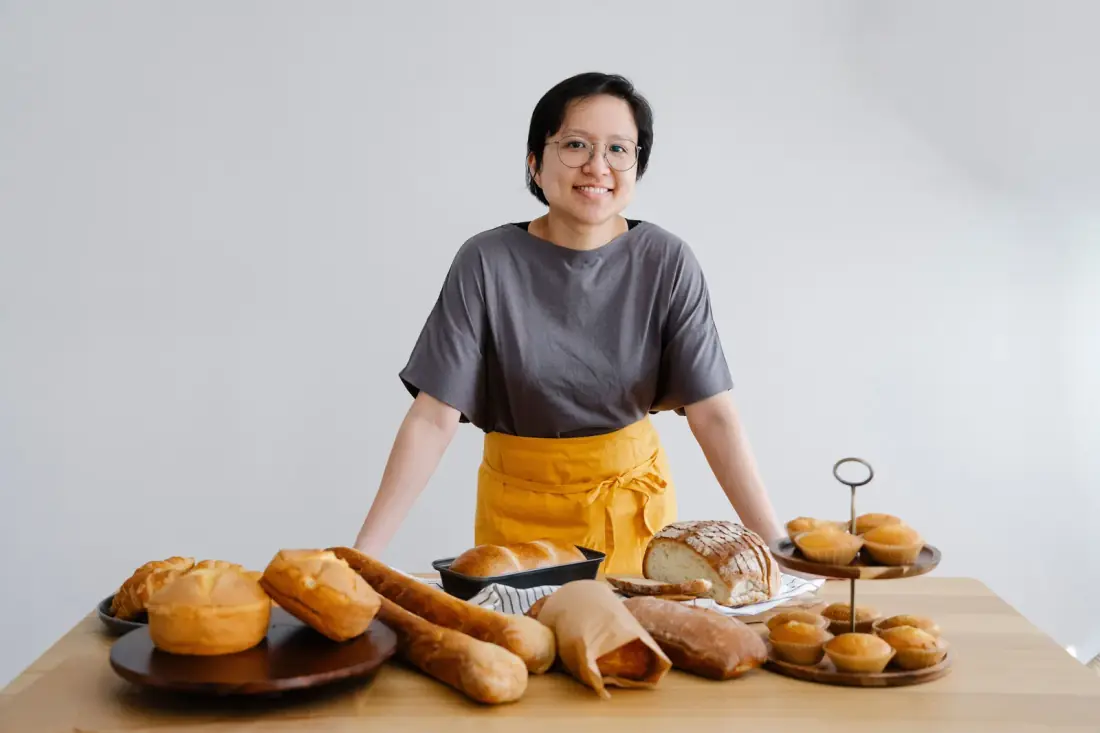
SPM results day brings the same question for hundreds of thousands of Malaysian students every year: what now? If you're weighing a conventional degree against a hands-on trade, the numbers from 2025 and 2026 make a compelling case for looking seriously at a baking course for SPM leavers. This guide breaks down exactly why, backed by government and industry data.
Key Takeaways
- •366,435 of the 413,299 candidates who sat SPM 2025 (94.29%) qualified for further study, but youth (15–24) unemployment still sits at 9.6–10.1% (DOSM/OpenDOSM).
- •35.5% of Malaysian graduates and diploma holders are underemployed: about 1.96 million people (The Edge Malaysia, citing DOSM Q3 2025).
- •53.56% of 2024 school leavers chose TVET pathways over conventional academic routes, with 212,000 new admissions (SEA-VET.net).
- •TVET graduates report 95.1% employability, far above the underemployment rate among general graduates (Bernama).
- •Malaysia's bakery market is worth RM3,140.3 million (2023) and is forecast to reach RM3,788.9 million by 2029 (6Wresearch).
- •Entry-level pastry chefs earn RM2,700–3,800/month; specialized pastry chefs earn RM66,647–73,261/year (Jobstreet, SalaryExpert).
Why are SPM leavers choosing baking and patisserie careers in 2026?

413,299 candidates sat for SPM in 2025, and 366,435 of them (94.29%) qualified for further study, according to Bernama. On paper, that's a strong pass rate. But qualifying for further study and landing a job that actually uses that qualification are two very different things, and the gap between them is exactly what's pushing more school leavers toward practical, skills-first training. Look at the youth job market and the picture gets clearer. Malaysians aged 15 to 24 face an unemployment rate of 9.6–10.1%, according to the Department of Statistics Malaysia (DOSM) and OpenDOSM figures, roughly triple the national average. That's not a small statistical blip; it's a structural mismatch between what school leavers are qualified for and what employers are actually hiring for. It gets worse further down the pipeline. The Edge Malaysia, citing DOSM Q3 2025 data, reported that 35.5% of Malaysian graduates and diploma holders (about 1.96 million people) are underemployed, meaning they're working in jobs that don't require their qualification level, or below their skill set entirely. A degree alone is no longer a guarantee of a matching job. For an SPM leaver deciding what to do next, that's the single most important data point in this entire guide: the traditional path of degree-first, job-search-later is leaving a lot of qualified people stuck.
Why is vocational training overtaking academic routes?
Malaysian school leavers are already responding to this mismatch. According to SEA-VET.net, 53.56% of 2024 school leavers chose a Technical and Vocational Education and Training (TVET) pathway over a conventional academic route, around 212,000 new admissions in a single year. That's more than half of an entire cohort choosing hands-on, industry-aligned training over the traditional degree track.

Malaysia's TVET Enrolment Growth
Share of post-secondary students enrolled in TVET pathways, with the government's stated target.
Source: SEA-VET.net
TVET enrolment has grown from 4.6% to 11.14% of the relevant student population, and the government has set a target of 20%, meaning this shift is still in its early stages, not a fad that's already peaked. The reason enrolment keeps climbing is simple: it works. Bernama reports that TVET graduates have a 95.1% employability rate, a figure that stands in sharp contrast to the 35.5% underemployment rate among general graduates and diploma holders cited earlier. When you train for a specific, in-demand skill instead of a broad qualification, employers know exactly what they're hiring, and that clarity translates directly into jobs.
How fast is Malaysia's bakery industry actually growing?

A baking course is only as good as the industry behind it, and Malaysia's bakery sector is growing fast. Market research firm 6Wresearch values Malaysia's bakery market at RM3,140.3 million in 2023, with growth forecast to RM3,788.9 million by 2029. That expansion is being driven by rising café culture, growing demand for artisan and specialty bread, urbanisation, and a domestic tourism scene that increasingly treats bakeries and patisseries as destinations in their own right. For an SPM leaver, that growth matters for one practical reason: a growing market means growing demand for trained bakers, pastry chefs, and eventually, bakery owners. You're not training for a shrinking trade; you're entering a sector that's actively expanding its workforce needs year over year.
What can you actually earn as a pastry chef in Malaysia?
Money is usually the first question parents ask, so here are the real numbers. According to Jobstreet, entry-level pastry chefs in Malaysia earn RM2,700–3,800 per month. That's a realistic starting range straight out of a diploma programme, before you've built up a specialisation or years of kitchen experience. Specialise, and the ceiling rises considerably. SalaryExpert data puts specialized pastry chef salaries at RM66,647–73,261 per year, roughly RM5,554–6,105 per month, or about double the entry-level starting range. That climb typically comes from developing a specific niche (chocolate work, plated desserts, wedding cakes, viennoiserie) and building a portfolio that proves it.
Pastry Chef Salary Range in Malaysia (RM/month)
Entry-level figures from Jobstreet; specialized figures converted from SalaryExpert's annual data.
Source: Jobstreet · SalaryExpert
And a salaried role isn't the only ceiling. A meaningful share of pastry graduates go on to open their own bakery or home-based baking business, which is why the strongest baking courses for SPM leavers don't just teach technique, they teach costing, pricing, and how to actually run a food business.
What should you look for in a baking course after SPM?
Not all baking courses are built the same, and the difference matters a lot when you're 17 or 18 and choosing your first real career step. Here's what to check before you enrol anywhere.
1. Who Awards the Certificate, and What It Is Worth
Look for a programme that awards a recognised diploma, not just a certificate of attendance. Some academies now offer dual diploma pathways, which let you build both a professional pastry qualification and a broader business or vocational credential in parallel, giving you more flexibility if your career plans shift down the line.
2. A High Practical-to-Theory Ratio
Given how strongly hands-on TVET training is outperforming purely academic routes on employability, prioritise courses built around daily kitchen work that still teach the theory behind each technique. You want daily lab sessions with industry-grade equipment, not a classroom that mostly covers baking in slides.
3. Entrepreneurship & Business Training
Given that over a third of Malaysian graduates end up underemployed, a course that only teaches you to bake, without teaching you how to price a product, cost a menu, or find suppliers, leaves you one step short of real independence. Look for a curriculum that includes a business or costing module alongside the culinary training.
4. Real Industry Mentorship
Instructors with genuine industry credentials (chefs who've worked in professional kitchens, catered major events, or built their own bakery brands) teach you things that a purely academic instructor can't: how kitchens actually run, what a health inspector checks, how to plate under pressure.
5. Entry Requirements That Fit an SPM Leaver
Confirm the minimum enrolment age (many programmes accept students from age 16) and whether prior baking experience is required. The best courses for SPM leavers are designed for complete beginners; you shouldn't need to already know how to bake to get in.
Why is Pastry Art Academy a good fit for SPM leavers?
Pastry Art Academy in Johor Bahru was built around exactly the checklist above. Our Diploma in Baking & Patisserie, a course endorsed by Training Qualifications UK, is available as a Level 2 (4-month) or Level 3 (6-month) programme, both open to students aged 16 and up, including SPM leavers with zero prior baking experience. Training pairs daily lab sessions in a newly renovated, industry-grade kitchen with the theory behind each technique.

Beyond technique, our Entrepreneurial Edge module covers costing, pricing, production planning, and supplier sourcing, so graduates leave prepared to open their own bakery concept, not just apply for a job. The curriculum is led by Chef Hang, who has personally designed the Sultan of Johor's official birthday cakes for years, bringing real industry-level creative standards into the classroom.
Compare Our Baking Diploma Programmes
See the full curriculum, schedule, and entry requirements for the Level 2 (4-month) and Level 3 (6-month) Baking & Patisserie Diploma.
View Baking Diploma ProgrammesReady to turn your SPM results into a career?
Speak to our advisors on WhatsApp for full programme details, intake dates, and financing options. No commitment required.
Get Course Info via WhatsAppFrequently Asked Questions
Can SPM leavers join a baking course without prior experience?
Yes. Most diploma programmes in Malaysia, including Pastry Art Academy's, are designed for complete beginners aged 16 and up. You don't need any prior baking experience to enrol; the curriculum starts from fundamentals.
How long does a baking diploma take in Malaysia?
Typical full-time diploma programmes run 4 to 6 months, depending on the level. A Level 2 Diploma usually takes around 4 months, while a more comprehensive Level 3 Diploma runs about 6 months.
Is a baking career actually in demand in Malaysia right now?
Yes. TVET graduates in Malaysia report a 95.1% employability rate (Bernama), and the bakery market is projected to grow from RM3,140.3 million (2023) to RM3,788.9 million by 2029 (6Wresearch), meaning demand for trained bakers and pastry chefs is expanding, not shrinking.
How much can I earn as a pastry chef after graduating?
Entry-level pastry chefs in Malaysia earn RM2,700–3,800 per month (Jobstreet). With specialisation and experience, salaries can rise to RM66,647–73,261 per year, or roughly RM5,554–6,105 per month (SalaryExpert).
What's better after SPM: university or a baking diploma?
It depends on your goals, but the data shows a growing share of leavers are choosing vocational routes: 53.56% of 2024 school leavers chose a TVET pathway (SEA-VET.net), partly because 35.5% of graduates and diploma holders end up underemployed (The Edge Malaysia/DOSM). A baking diploma offers a direct, practical route into an employable, growing industry.

Cite this article
Pastry Art Academy. (2026). The Best Baking Course for SPM Leavers in Malaysia (2026 Guide). https://www.pastryart-academy.com/blog/spm-leavers-baking-course-guide